
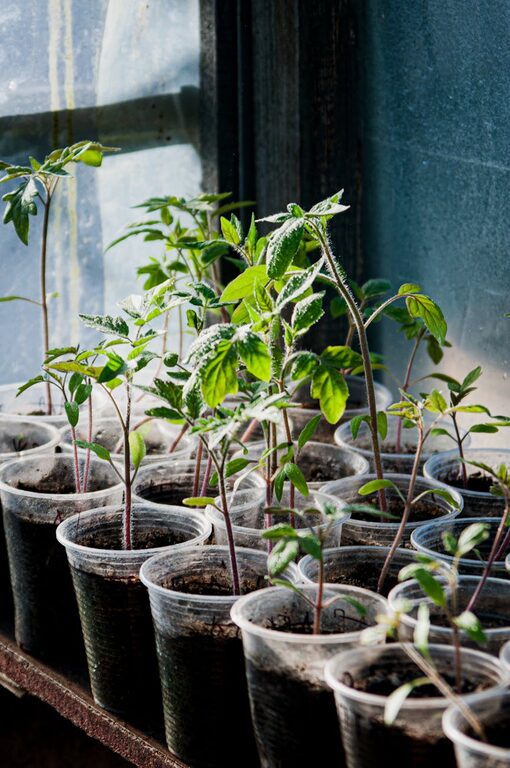
Creating a sustainable home garden is a rewarding way to connect with nature, reduce your environmental footprint, and enjoy fresh produce and beautiful greenery throughout the year. Whether you have a small balcony or a spacious backyard, adopting sustainable gardening practices ensures that your garden thrives in harmony with the environment. This guide offers practical tips to help you create and maintain a sustainable home garden across all seasons.
Understanding Sustainable Gardening
Sustainable gardening focuses on methods that support long-term health for your garden and the planet. This includes conserving resources like water and soil, encouraging biodiversity, reducing waste, and minimizing chemical use. By gardening sustainably, you contribute to environmental protection while fostering a resilient garden ecosystem.
Planning Your Garden for the Year
Choose Native and Climate-Appropriate Plants
Opt for native plants or species well-adapted to your local climate. Native plants typically require less water, fertilizer, and pesticides, making them more sustainable and easier to care for year-round. Research which plants thrive in your region’s seasons for the best results.
Design with Seasonal Changes in Mind
Arrange your garden to maximize sunlight in colder months and provide shade in warmer months. Planting deciduous trees can be beneficial; they lose leaves in winter allowing more sun in and provide shade during hot summers.
Soil Health and Preparation
Composting for Nutrient-Rich Soil
Create a compost bin to recycle kitchen scraps and garden waste into nutrient-rich compost. Compost improves soil structure, enhances moisture retention, and adds essential nutrients naturally. It’s a sustainable alternative to synthetic fertilizers.
Mulching to Retain Moisture
Apply organic mulch such as straw, wood chips, or leaves around plants. Mulch helps retain soil moisture, suppress weeds, and protect roots from temperature extremes throughout the year.
Water Conservation Strategies
Collect Rainwater
Set up rain barrels or water collection systems to gather rainwater. Using collected rainwater for irrigation reduces reliance on municipal water and conserves this precious resource.
Efficient Watering Techniques
Water your garden early in the morning or late in the evening to minimize evaporation. Use drip irrigation or soaker hoses to deliver water directly to plant roots, further reducing waste.
Encouraging Biodiversity
Attract Beneficial Insects
Plant a variety of flowering plants that bloom at different times to attract pollinators like bees and butterflies. Beneficial insects help control pests naturally and promote healthy plant growth.
Create Habitats for Wildlife
Incorporate birdhouses, bee hotels, or small ponds to support local wildlife. A lively garden ecosystem balances pest populations and enhances sustainability.
Seasonal Maintenance Tips
Spring: Prepare and Plant
– Clear debris and prune existing plants.
– Apply compost and mulch to enrich soil.
– Start planting early vegetables and flowers suited for spring growth.
Summer: Care and Conserve
– Mulch heavily to retain soil moisture.
– Monitor plants regularly for signs of stress or pests.
– Harvest crops promptly to encourage ongoing production.
Fall: Clean and Plan Ahead
– Remove dead or diseased plants to prevent overwintering pests.
– Plant cover crops or green manure to restore soil nutrients.
– Collect leaves and yard waste for composting.
Winter: Protect and Prepare
– Use row covers or cold frames to extend growing seasons.
– Plan next year’s garden layout based on this year’s successes.
– Maintain tools and garden structures for spring readiness.
Reducing Waste and Chemical Use
Use Organic Pest Control
Avoid chemical pesticides by introducing natural predators like ladybugs or using homemade insecticidal soaps. Integrated pest management helps keep pests in check sustainably.
Repurpose Garden Materials
Reuse containers, stakes, and supports whenever possible. Avoid single-use plastic products and consider biodegradable options for plant markers or pots.
Conclusion
Creating a sustainable home garden that flourishes all year requires thoughtful planning, attention to soil and water management, and a focus on biodiversity. By embracing eco-friendly gardening practices, you not only enjoy a beautiful and productive garden but also contribute positively to the environment. Start small, observe your garden’s needs throughout the seasons, and adjust your practices to maintain a healthy, resilient outdoor space year-round. Happy gardening!
About the Author