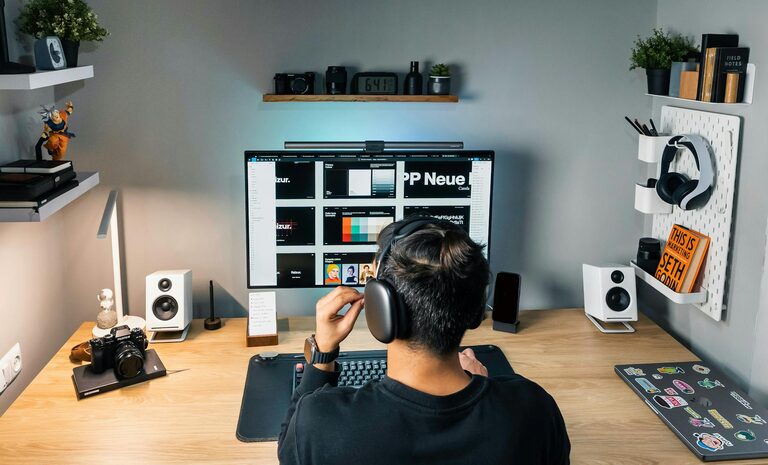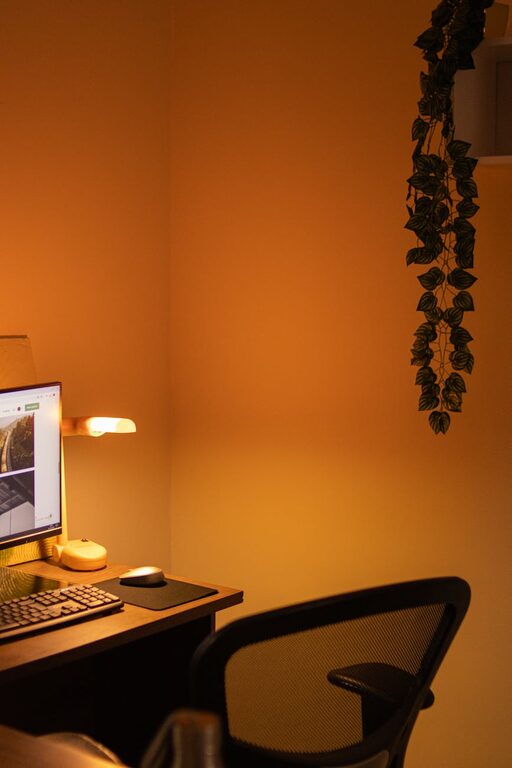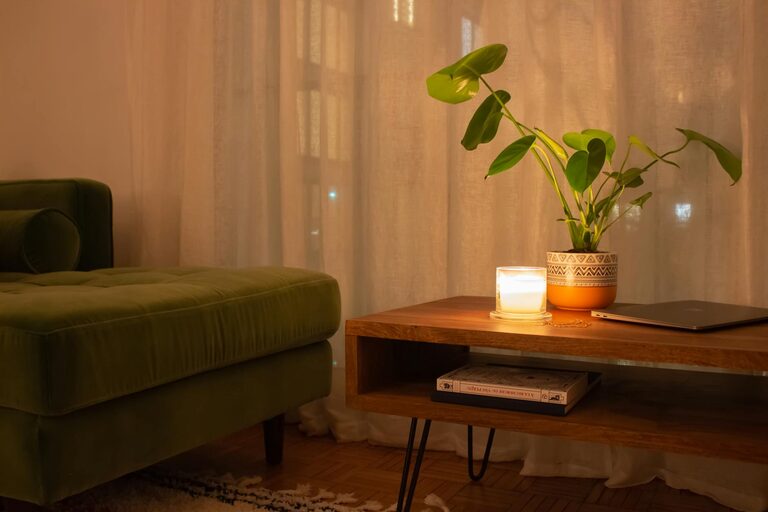
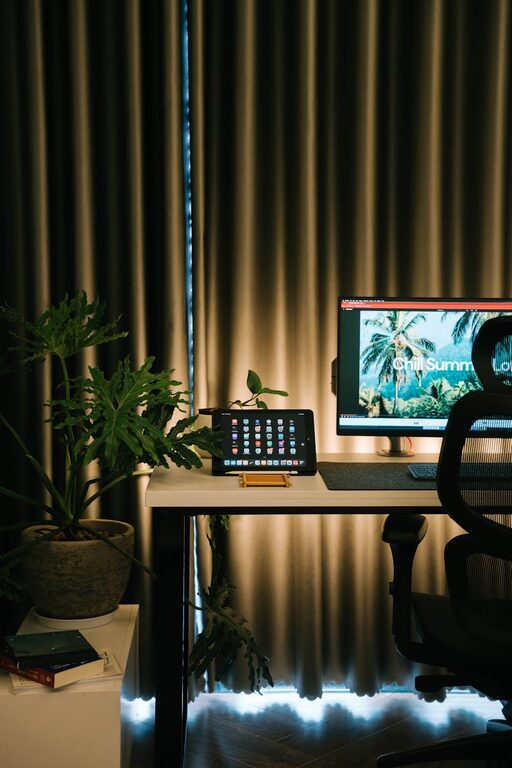
Creating a cozy and inviting home workspace is essential for anyone who spends significant time working from home. A well-designed workspace can enhance focus, increase productivity, and make your workday more enjoyable. Whether you have a dedicated room or just a small corner, with a few thoughtful touches, you can transform your space into a comfortable and inspiring environment. Here are some helpful tips to get you started.
1. Choose the Right Location
Consider Natural Light
When setting up your workspace, try to choose a spot with ample natural light. Sunlight not only brightens the room but can improve mood and energy levels throughout the day. Position your desk near a window if possible, but avoid glare on your computer screen by using sheer curtains or adjusting the angle of your desk.
Minimize Distractions
Select a quiet corner or room that limits household noise and interruptions. A space away from the main living areas can help maintain focus and separate work life from home life.
2. Invest in Comfortable Furniture
Ergonomic Chair
An ergonomic chair supports your posture and reduces discomfort during long work hours. Look for features like adjustable height, lumbar support, and cushioned seating to keep your body relaxed.
Functional Desk
Pick a desk that suits your work style and space. Whether you prefer a large desk to spread out or a compact one to save space, ensure it has enough surface area for your computer, notebooks, and accessories.
3. Personalize Your Space
Add Soft Textiles
Incorporate soft elements such as a cozy throw blanket, a cushioned seat pad, or a plush rug underfoot. These details bring warmth and comfort to your workspace.
Display Artwork or Photos
Surround yourself with images or artwork that inspire and uplift you. Whether it’s a favorite landscape or motivational quotes, personal touches make the space feel welcoming and uniquely yours.
4. Organize Efficiently
Declutter Regularly
A tidy workspace promotes clear thinking. Keep only essential items on your desk and store others in drawers or shelves.
Use Storage Solutions
Utilize organizers like trays, baskets, or filing cabinets to keep papers, stationery, and gadgets in order. Labeling helps find things quickly and maintains a neat environment.
5. Incorporate Nature
Indoor Plants
Adding greenery can improve air quality and increase feelings of calm and happiness. Small potted plants, succulents, or even a fresh vase of flowers can bring life to your desk area.
Natural Materials
Consider furniture or accessories made from wood, stone, or woven fibers. These natural textures add an organic, soothing element to your workspace.
6. Set Up Proper Lighting
Layered Lighting
Use a combination of overhead lights, desk lamps, and ambient lighting to ensure your workspace is well-lit throughout the day and evening. Adjustable lamps allow you to focus light where needed.
Warm Light Bulbs
Choose bulbs with a warm color temperature to create a cozy atmosphere. Avoid overly harsh white or blue-toned lights that can feel cold or strain your eyes.
7. Manage Noise Levels
Soundproofing Tips
If noise is an issue, consider adding rugs, curtains, or wall hangings that absorb sound. White noise machines or background music can also help mask distracting sounds.
Headphones
Comfortable, noise-canceling headphones are a great way to boost concentration and create a peaceful environment.
8. Add Personal Rituals
Break Area
If space allows, include a small spot for breaks or relaxation. A comfy chair or a meditation cushion encourages stepping away from work to recharge.
Scent and Ambiance
Use essential oils, candles, or diffusers with calming scents like lavender or eucalyptus to enhance relaxation and focus.
Conclusion
Creating a cozy and inviting home workspace doesn’t have to be complicated or expensive. By focusing on comfort, organization, and personalization, you can build a space that supports your productivity and well-being. Start with a few changes and adjust as you go, making your home office a place you enjoy being each day. A welcoming workspace isn’t just about aesthetics—it’s about creating an environment where you can do your best work comfortably and happily.
About the Author