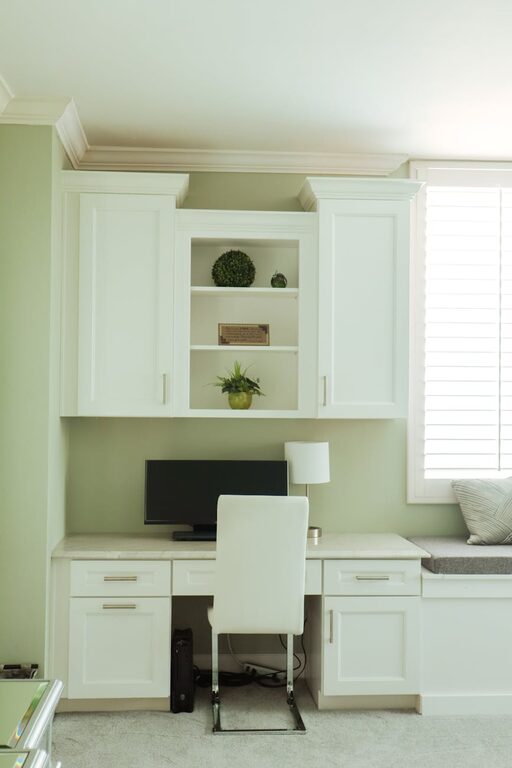
Creating a cozy and functional home office is essential for making remote work or study more enjoyable and efficient. Whether you have a dedicated room or just a small corner, thoughtful design can boost your comfort and productivity. Here are some tips to help you design a workspace that suits your needs and feels inviting.
Choose the Right Location
Finding the best spot for your home office is the first step. Ideally, pick a quiet area with minimal distractions. If possible, locate your workspace near a window for natural light, which can improve mood and reduce eye strain. Avoid high-traffic areas to focus better during work hours.
Maximize Small Spaces
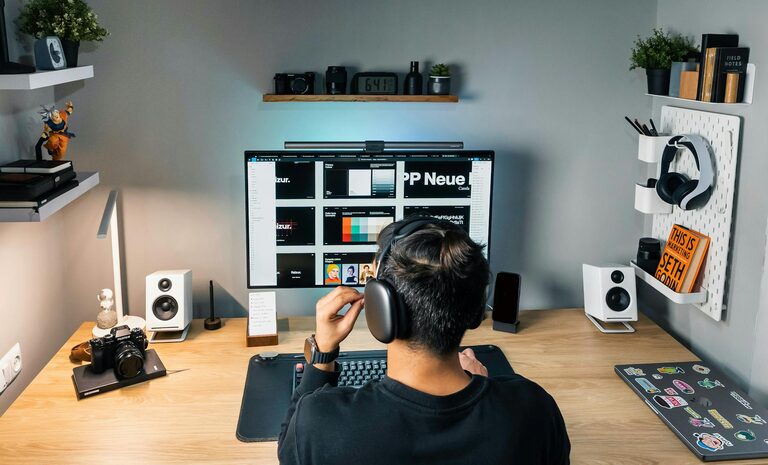
If space is limited, consider creative solutions like using a foldable desk or a wall-mounted work surface. Vertical storage, such as shelves or pegboards, helps keep supplies organized without taking up valuable floor space.
Invest in Comfortable Furniture
Comfort is key when you spend many hours working at home. A supportive chair with adjustable height and good lumbar support can prevent back pain. Choose a desk at a height that suits you to maintain good posture. If your budget allows, an adjustable standing desk can offer flexibility between sitting and standing throughout the day.
Prioritize Lighting
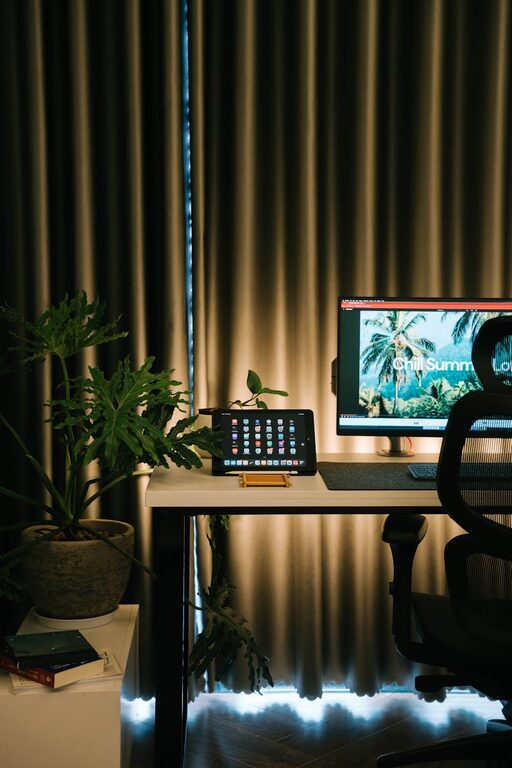
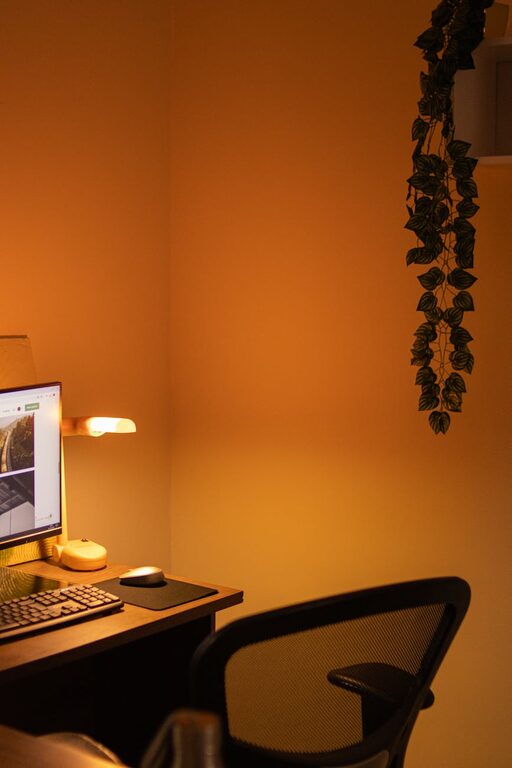
Good lighting is crucial to reduce eye strain and maintain energy. Combine natural light with task lighting options like desk lamps or adjustable LED lights. Avoid harsh overhead lights that create glare on your screen. Warm light tones tend to create a cozy atmosphere, while cooler tones help with focus.
Organize Your Supplies and Technology
Keeping your workspace tidy helps the mind stay focused. Use organizers, drawer dividers, or boxes to store office supplies neatly. Cable management accessories like clips or sleeves prevent cords from tangling. Position frequently used items within arm’s reach to reduce distractions caused by searching for them.
Add Personal Touches and Soothing Elements
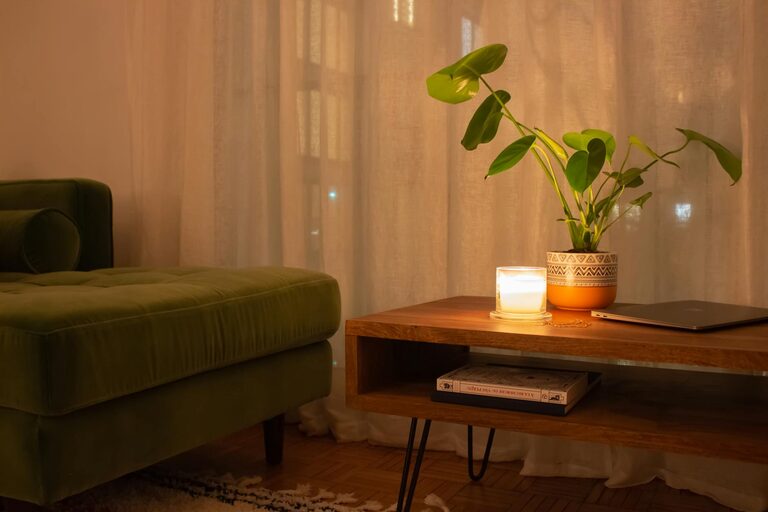
A cozy home office feels inviting and inspiring. Personalize your space with items that motivate you, such as photos, artwork, or plants. Small touches like a soft throw blanket or a cushion can make the area more comfortable. Plants not only add color but also improve air quality and create a calming environment.
Use Color Wisely
Colors influence mood and productivity. Soft, neutral tones promote calmness, while pops of brighter colors like blue or green can boost focus and creativity. Choose colors that make you feel relaxed and motivated.
Manage Noise Levels
Noise distractions can disrupt your concentration. Consider using noise-canceling headphones or white noise machines to block out background sounds. Rugs or curtains can help absorb sound and reduce echo in your workspace.
Keep Technology Updated and Reliable
Ensure your computer, printer, and internet connection meet your work requirements. Regularly update software and back up important files to avoid disruptions. Using a separate monitor or ergonomic keyboard can make work more comfortable and efficient.
Maintain a Healthy Work Routine
A cozy, functional workspace supports healthy habits. Take regular breaks to stretch and rest your eyes. Keep a water bottle nearby and maintain good lighting to reduce fatigue. Organize your day to separate work time and breaks clearly.
—
Designing a home office that is both cozy and functional enhances your productivity and well-being. Start with a thoughtful layout, invest in comfort, and add personal touches to create a space where you enjoy spending time. With these tips, your home office can become a place that supports your best work every day.
About the Author