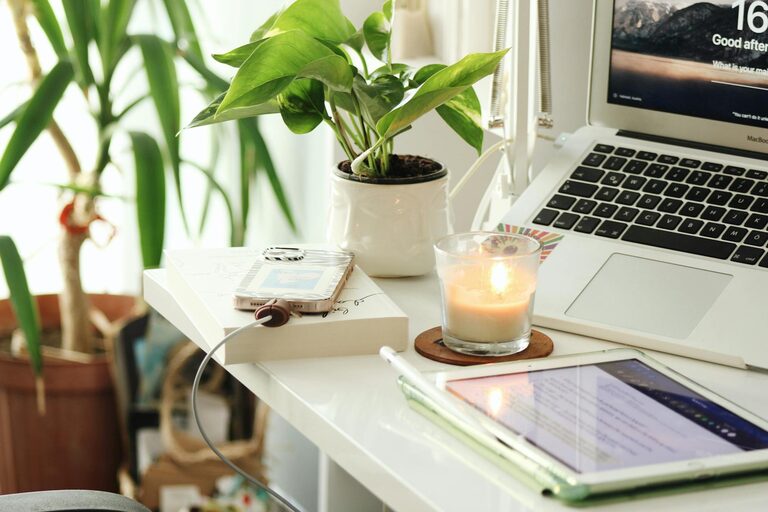
Creating a home office that feels both cozy and productive can transform the way you work. Whether you’re working remotely full-time, freelancing, or just need a dedicated spot for occasional tasks, designing a space that fosters focus and comfort is key to staying motivated and efficient. In this post, we’ll explore practical tips for setting up a home office that you’ll enjoy spending time in, without sacrificing productivity.
Why a Cozy and Productive Home Office Matters
The home office isn’t just a place to get work done—it’s where your creativity, concentration, and goals come alive. When your workspace is uncomfortable or cluttered, distractions increase, energy dips, and tasks take longer. Conversely, a cozy environment can reduce stress, improve your mood, and boost efficiency.
Striking the right balance between comfort and functionality is essential. Here’s how you can achieve that balance with these effective strategies.
Choose the Right Location
Consider Natural Light
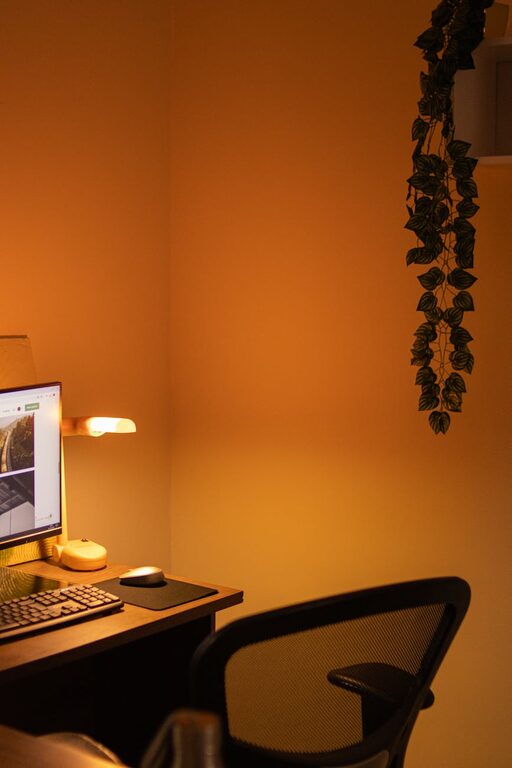
Pick a spot in your home that gets plenty of natural light. Natural light helps regulate your body clock, improves your mood, and reduces eye strain. Position your desk near a window if possible. If natural light is limited, invest in a good quality desk lamp with adjustable brightness to brighten your workspace evenly.
Minimize Distractions
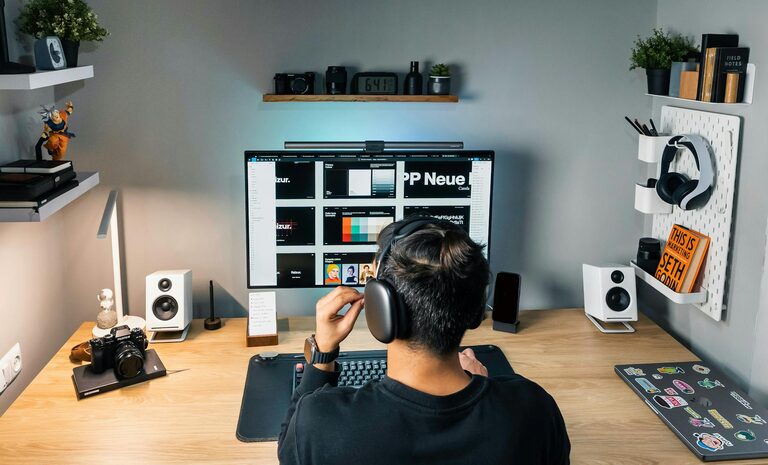
Try to select a quiet corner or room that’s away from household noise and heavy foot traffic. If space is limited, consider using room dividers or noise-canceling headphones to create a more secluded environment.
Invest in Comfortable Furniture
Ergonomic Chair and Desk
Comfortable furniture is a must for long hours of work. An ergonomic chair that supports your back and promotes good posture will make a significant difference in your comfort level. Pair it with a desk at the right height so your arms rest comfortably while typing or writing.
Adjustable Options
If you prefer variety during the day, try a sit-stand desk or a monitor stand to adjust screen height. Alternating between sitting and standing can improve circulation and reduce fatigue.
Organize Your Space Efficiently
Declutter and Prioritize Essentials
Keep your workspace clean and free of non-essential items. Use organizers, trays, and drawers to store supplies like pens, notebooks, and chargers. This reduces distractions and saves time searching for items.
Use Vertical Space
Shelves, pegboards, or wall-mounted organizers help keep important things within arm’s reach without taking up desk space. Vertical storage is ideal for books, documents, and decorative items that make the space inviting.
Personalize Your Workspace
Adding a personal touch helps make your office feel warm and inviting. Choose colors that inspire you—soft blues and greens are known to promote calmness, while pops of bright colors may energize your mood.
Add Plants
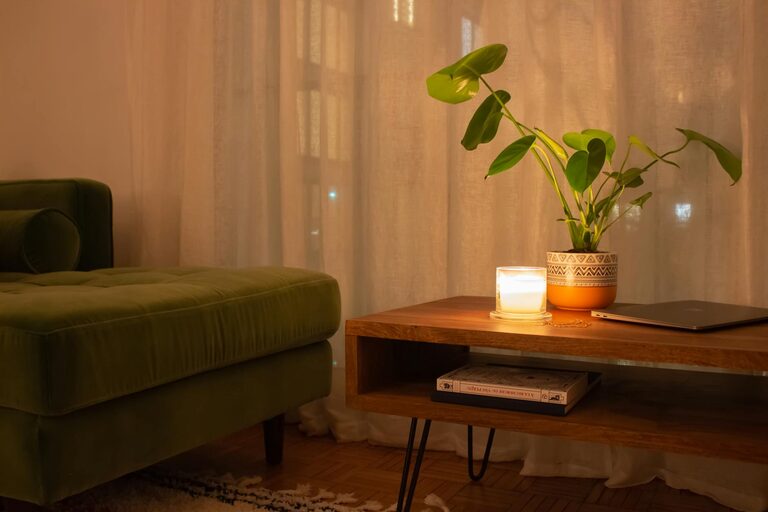
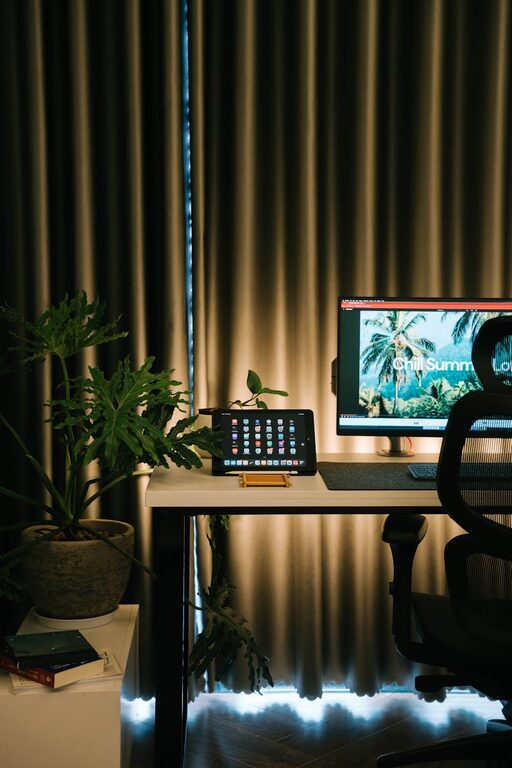
Indoor plants not only brighten up your space visually but also improve air quality and reduce stress. Low-maintenance options like succulents or pothos are great choices for busy professionals.
Display Meaningful Items
Photos, artwork, or inspirational quotes can personalize your office and motivate you throughout the day. Just be careful not to overcrowd your desk or walls.
Optimize Lighting for Comfort and Productivity
Proper lighting is more than just having enough light—it’s about reducing eye strain and creating a pleasant atmosphere.
Layer Your Lighting
Combine ambient lighting (overhead or ceiling lights) with task lighting (desk lamps) and accent lighting (string lights or small lamps) to create a balanced and adjustable setup.
Select Neutral or Warm Bulbs
Bulb color temperature affects mood and focus. Neutral to warm white light (around 3000K to 4000K) is generally best for home offices because it’s easy on the eyes and fosters a cozy feeling without being too dim.
Use Technology Wisely
Reliable Equipment
Invest in a solid computer, fast internet, and quality peripherals like a good keyboard, mouse, or headset. Reliable tech reduces frustration and allows you to work smoothly.
Manage Cables
Cables can easily clutter your desk and cause stress. Use cable clips, sleeves, or under-desk organizers to keep wires neat and out of sight.
Establish Healthy Work Habits
Take Regular Breaks
Set a timer to remind you to stand, stretch, or take a short walk every hour. Moving regularly helps prevent stiffness and improves focus.
Create a Routine
Start and end your workday consistently. Organize your tasks with to-do lists or digital planners so you can track progress and feel accomplished.
Add Comfort Features
Temperature and Air Quality
Make sure your office space has proper ventilation and comfortable temperature settings. Use fans, portable heaters, or air purifiers if necessary to maintain a pleasant atmosphere.
Cozy Textiles
Adding a soft rug, a plush throw blanket, or comfortable cushions can increase the welcoming feeling. They also absorb sound, reducing echo in the room.
Final Thoughts
Designing a cozy and productive home office is about creating a space that supports your workflow and makes you feel comfortable throughout the day. By selecting the right location, investing in ergonomic furniture, organizing efficiently, and personalizing with thoughtful touches, your home office can become a place where you look forward to working.
Remember, your workspace should evolve with your needs, so don’t hesitate to tweak your setup as you discover what works best for you. With time and care, your home office will help you strike the perfect balance of comfort and focus, making every workday more enjoyable.
About the Author