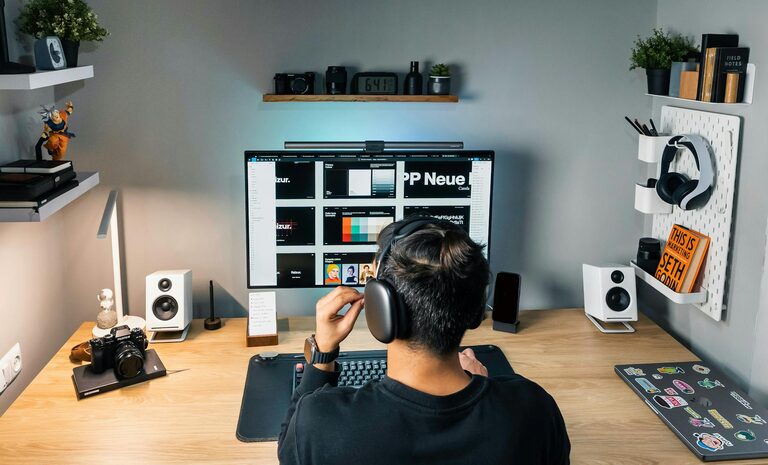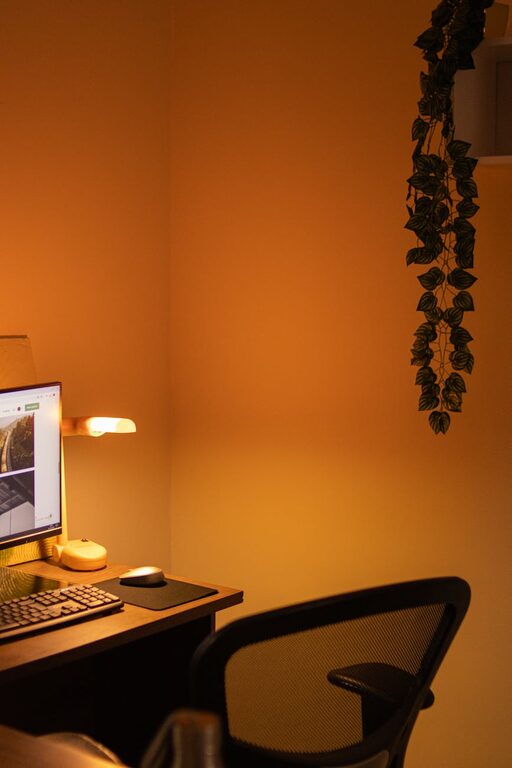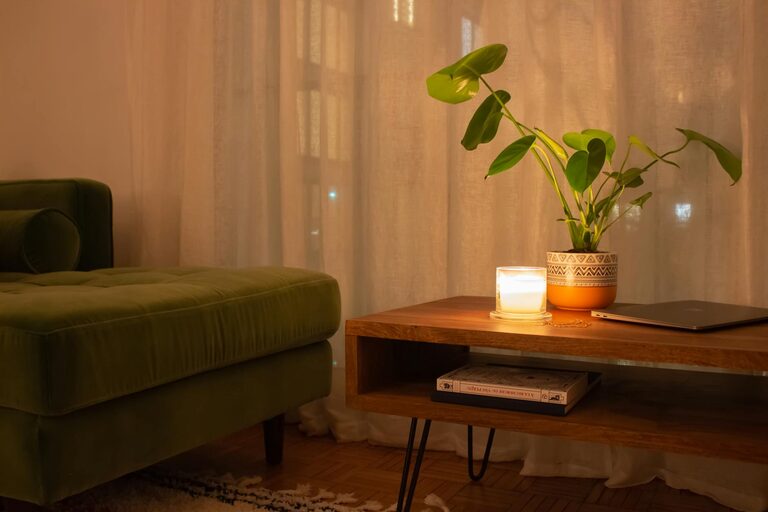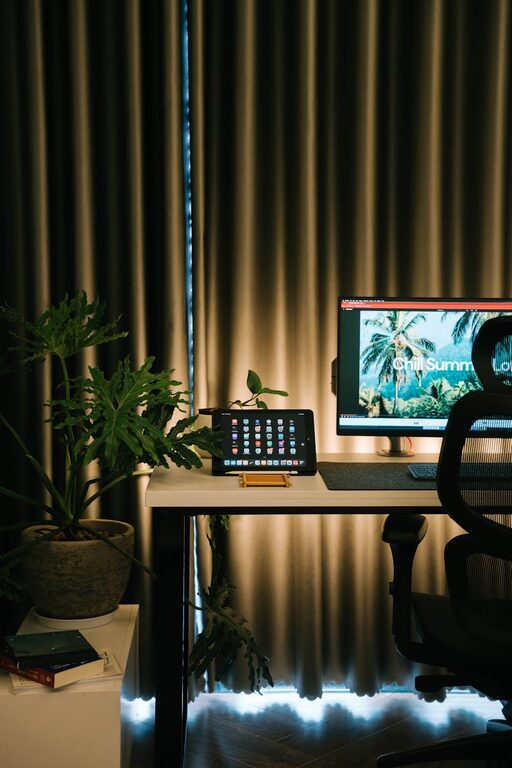
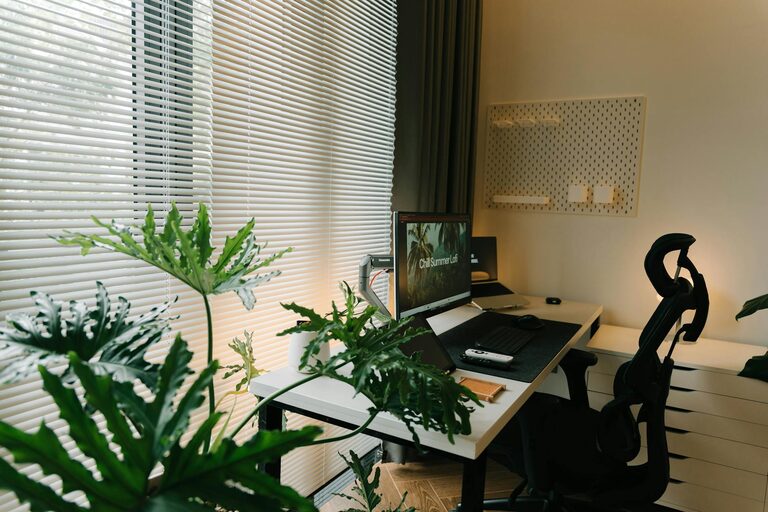
Creating a relaxing home workspace is essential for maintaining focus and boosting productivity, especially when working remotely. A well-designed area can reduce stress, minimize distractions, and help you stay motivated. In this post, we’ll explore practical tips to set up a peaceful and efficient home office that supports your work habits.
Choose the Right Location
Find a Quiet Spot
Select a space in your home where you can work without frequent interruptions. A quiet corner, spare room, or even a section of a larger room can work well. Prioritize areas that are naturally calm and away from household noise.
Consider Natural Light
Natural light has a positive impact on mood and alertness. Position your workspace near a window if possible. If not, use warm, adjustable lighting to mimic natural daylight.
Keep Your Workspace Organized
Declutter Regularly
A clutter-free environment helps clear your mind and reduces distractions. Use storage containers, shelves, or desk organizers to keep your work materials neat and accessible.
Use Minimalist Decor
Limit decorations to a few meaningful or inspiring items. Avoid overcrowding your space with unnecessary objects, which can lead to a feeling of chaos.
Invest in Comfortable Furniture
Ergonomic Chair
Comfort is key to staying focused for long periods. An ergonomic chair provides proper support and encourages good posture, preventing back or neck pain.
Functional Desk
Choose a desk that fits your needs and available space. A desk with enough surface area for your computer, notebooks, and other essentials helps keep everything within reach.
Personalize Your Space
Add Greenery
Indoor plants improve air quality and add a touch of nature, which promotes relaxation. Choose low-maintenance plants like succulents or spider plants.
Incorporate Calming Colors
Soothing colors such as soft blues, greens, or neutrals can create a peaceful atmosphere. Consider painting a wall or adding accessories in these shades.
Manage Noise and Distractions
Use Noise-Canceling Options
If external noise is unavoidable, noise-canceling headphones or white noise machines can help improve concentration.
Set Boundaries
Communicate your work schedule to family members or roommates to minimize disruptions during your work hours.
Optimize Technology and Tools
Reliable Equipment
Ensure your computer, internet connection, and other devices work smoothly to avoid frustration.
Cable Management
Organize cables with clips or sleeves to keep the workspace tidy and prevent tangling.
Establish a Routine and Breaks
Consistent Schedule
Stick to regular work hours to build discipline and separate work time from personal time.
Take Short Breaks
Step away from your desk periodically to stretch or relax your eyes. This helps maintain mental clarity and prevents burnout.
Incorporate Relaxation Techniques
Breathing Exercises
Simple breathing exercises during breaks can reduce stress and restore focus.
Aromatherapy
Using essential oils or scented candles with calming fragrances like lavender or eucalyptus may enhance relaxation.
Final Thoughts
Designing a relaxing home workspace isn’t just about aesthetics; it’s about creating an environment that supports your well-being and productivity. By choosing a quiet location, staying organized, investing in comfortable furniture, and adding personal touches, you can transform your home office into a peaceful and efficient space. Remember to balance work with regular breaks and relaxation techniques to keep your mind fresh and engaged throughout the day.
About the Author