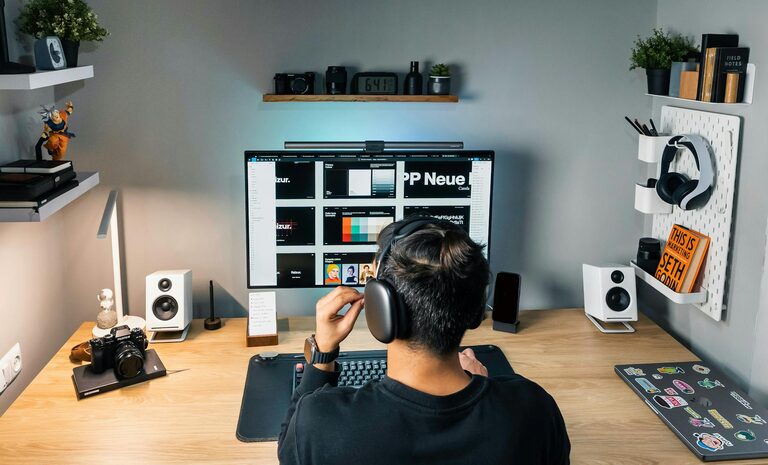
Creating a home workspace that is both relaxing and productive can make a significant difference in your workday. Whether you work remotely full-time or occasionally need a dedicated spot for tasks, the right environment helps you focus, reduces stress, and promotes efficiency. Here are practical tips to help you set up a workspace that supports both comfort and productivity.
Choose the Right Location
Find a Quiet Spot
Select a quiet area in your home where interruptions are minimal. This helps you stay focused and reduces distractions from household noise or traffic.
Consider Natural Light
If possible, choose a space near a window. Natural light improves mood, reduces eyestrain, and creates an inviting atmosphere. Position your desk to take advantage of daylight without glare on your screen.
Use a Dedicated Space
Having a designated workspace mentally separates “work” from “home,” making it easier to switch on productivity and later, relax.
Invest in Comfortable and Functional Furniture
Ergonomic Chair and Desk
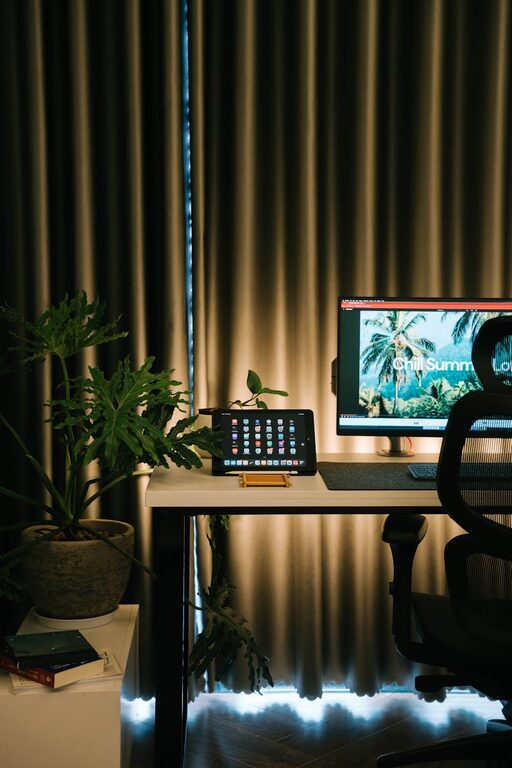
Comfortable seating is essential. An ergonomic chair supports your posture and prevents back pain. Pair it with a desk at the right height to avoid strain.
Keep Essentials Within Reach
Arrange your workspace so frequently used items — like your computer, notepad, and pens — are easily accessible, minimizing unnecessary movement.
Add Adjustable Elements
Consider a desk that allows you to switch between sitting and standing. Alternating positions can improve circulation and focus.
Organize and Declutter
Use Storage Solutions
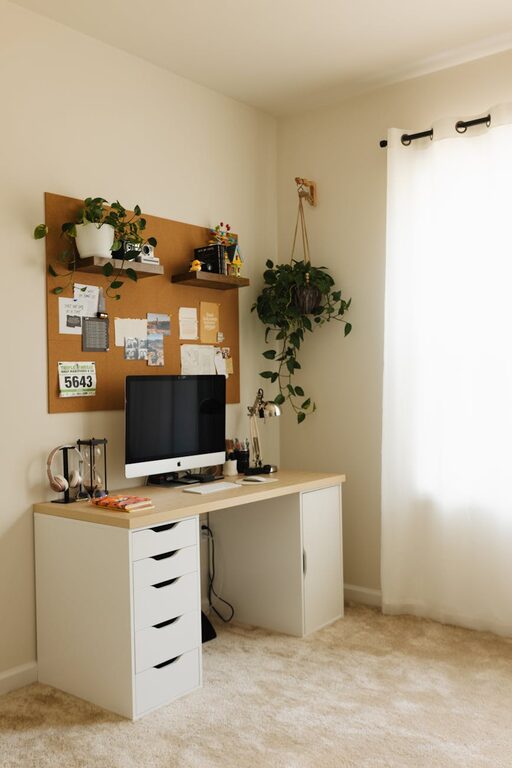
Keep your desk tidy with organizers, shelves, or drawers. Clutter can be distracting and stressful, so having a place for everything is key.
Limit Personal Items
While a few personal touches make your workspace inviting, avoid overcrowding your desk with too many objects.
Create a Filing System
Digital or physical filing systems for documents help you quickly find what you need without frustration.
Incorporate Calming Elements
Choose Soothing Colors
Colors like soft blues, greens, or neutrals can promote calmness and concentration. Choose paint or decor in tones that help you feel relaxed.
Add Plants
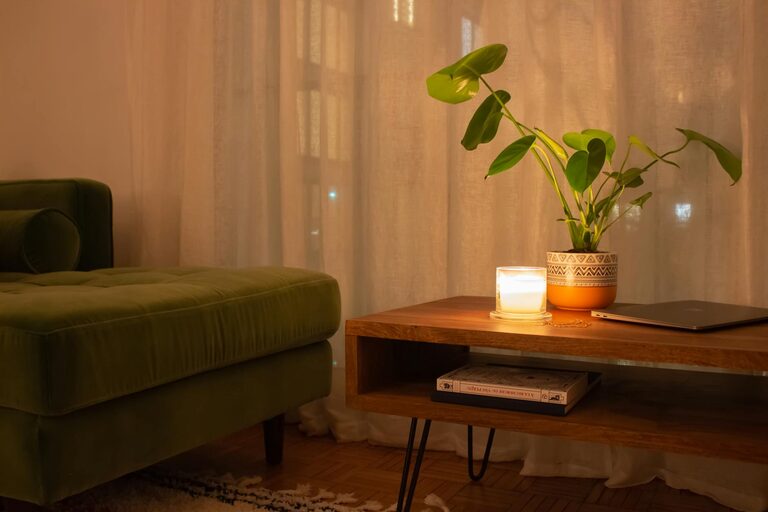
Plants enhance the environment by improving air quality and adding a touch of nature. A small potted plant or succulent can make your space more pleasant.
Use Aromatherapy
Consider a subtle diffuser with calming scents such as lavender or eucalyptus to create a soothing atmosphere.
Optimize Lighting and Screen Setup
Balance Lighting
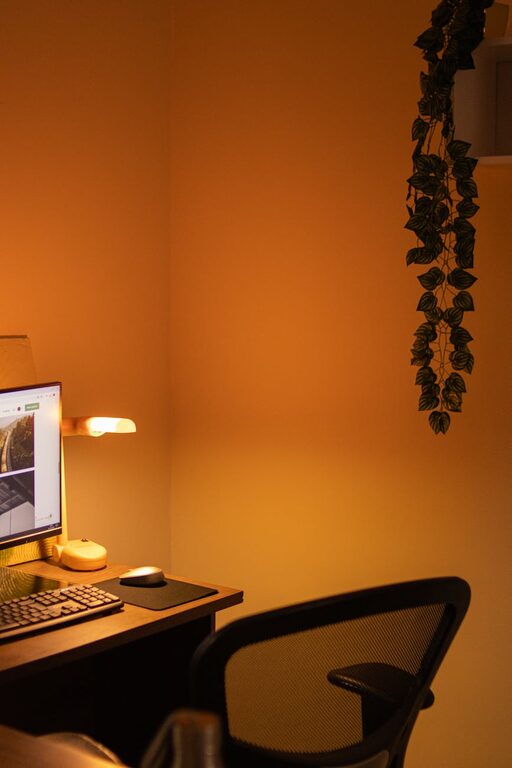
Avoid harsh overhead lights. Use desk lamps with adjustable brightness and color temperature to reduce eye strain during long hours.
Position Your Screen Correctly
Keep your computer screen at eye level and about an arm’s length away. This prevents neck pain and reduces the chance of headaches.
Manage Noise and Distractions
Use Noise-Cancelling Tools
If ambient noise is an issue, try noise-cancelling headphones or white noise machines to help maintain focus.
Set Boundaries
Communicate with family or roommates about your work hours to minimize interruptions.
Schedule Breaks
Regular short breaks improve concentration. Use a timer or app to remind yourself to step away and recharge.
Personalize Your Workspace Lightly
Add Visual Inspiration
Place a few inspiring quotes, photos, or artwork nearby to keep motivation high without cluttering the space.
Keep It Simple
A clean and simple design tends to encourage productivity better than a busy or overly decorated environment.
Maintain Healthy Work Habits
Keep Hydrated and Nourished
Place a water bottle nearby and have healthy snacks available to keep energy levels steady.
Practice Good Posture
Adjust your seating and screen to avoid slouching, and periodically stretch to reduce stiffness.
End Your Workday Ritual
Develop a routine that signals the end of your workday, like turning off your monitor and tidying your desk. This helps you mentally disconnect.
—
Designing your home workspace is about finding a balance between comfort and efficiency. By thoughtfully choosing your location, organizing your materials, and creating a calming atmosphere, you can enjoy a space that supports both relaxation and productivity. Start small with these tips, and adjust your setup as you discover what works best for your workflow and well-being.
About the Author